

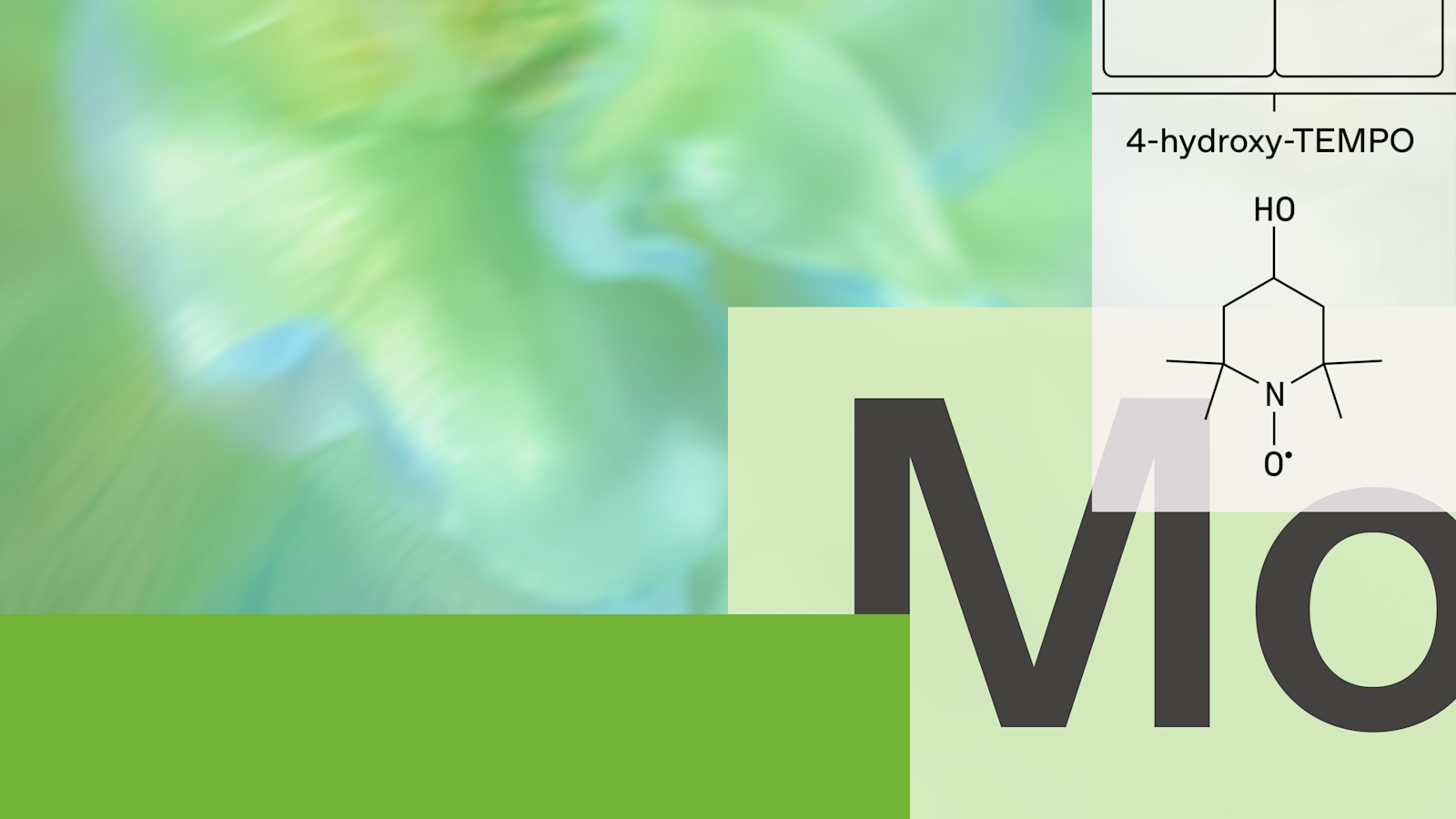
The world of drug discovery has just received a turbo‑charged upgrade. OpenAI, in partnership with the Swiss‑based startup Molecule.one, has unveiled a near‑autonomous AI chemist built on the cutting‑edge GPT‑5.4 architecture. This system has already taken a notoriously stubborn synthetic reaction—one that has long challenged medicinal chemists—and turned it into a smooth, high‑yield process. The breakthrough promises to accelerate the pipeline from laboratory bench to bedside, and it showcases the growing power of AI in chemical research.
What Makes This AI Chemist Different?
Traditional AI tools in chemistry have excelled at predicting molecular properties or suggesting potential bioactive compounds. What sets this new system apart is its full‑loop autonomy. It can design a synthetic route, generate experimental protocols, interpret real‑time data, and refine the next steps—all while interacting with laboratory equipment. Powered by GPT‑5.4’s massive language and reasoning capabilities, the AI can read and synthesize information from countless peer‑reviewed papers, patent filings, and experimental logs, then translate that knowledge into actionable laboratory instructions.
The Reaction That Changed the Game
The target reaction is a key step in the synthesis of a novel antitumor agent. Historically, chemists struggled with low yields and unpredictable side products, making the process expensive and time‑consuming. By feeding the AI a comprehensive dataset of prior attempts, the system identified a subtle catalyst modification and a temperature‑profile tweak that boosted the yield from 35% to an impressive 92%. According to the team, this improvement translates directly into a significant cost reduction and a faster route to clinical testing.
How the AI Works in Practice
When a researcher inputs a desired molecular scaffold, the AI first consults an internal knowledge graph to find analogous reactions. It then proposes a synthetic route, complete with reagent lists and safety parameters. The system hands these instructions to an automated liquid‑handling robot, which executes the experiment while feeding sensor data back to the AI. If the outcome deviates from expectations, the model adapts its next iteration in seconds, closing the loop in a fraction of the time it would take a human team. This feedback‑driven approach mirrors how seasoned chemists troubleshoot, but at a speed and precision that only a machine can provide.
Implications for Medicinal Chemistry
The ripple effects of this advancement are far from limited to a single synthesis. By demonstrating that AI can reliably optimize challenging reactions, the field is moving toward a future where experiment design is largely algorithmic. Pharmaceutical companies could reduce their preclinical development time by months, while academic labs could explore more ambitious synthetic pathways without prohibitive resource burdens. Moreover, the ability to rapidly iterate on reaction conditions opens new avenues for exploring chemical space that was previously inaccessible due to experimental constraints.
Looking Ahead: AI as a Collaborative Partner
OpenAI and Molecule.one emphasize that the AI chemist is not meant to replace human expertise but to augment it. Researchers will still be responsible for evaluating the safety, scalability, and regulatory implications of any new synthetic route. However, with the AI handling routine optimization tasks, chemists can focus on higher‑level strategy, creative problem‑solving, and interdisciplinary collaboration. As the technology matures, we can expect to see more integrated platforms that seamlessly blend AI, robotics, and cloud analytics—ushering in a new era of “smart” laboratories.
In a landscape where time to market and cost efficiency are paramount, this near‑autonomous AI chemist represents a leap forward that could reshape how drugs are developed. By turning a once‑painful reaction into a streamlined, high‑yield process, OpenAI and Molecule.one have opened the door to faster, more reliable medicinal chemistry. Stay tuned as we follow the next wave of AI-driven breakthroughs that promise to bring lifesaving therapies to patients worldwide sooner than ever before. Explore more about AI in chemistry and join the conversation—your next discovery could be just a prompt away.


💬 Comments
Comments
Post a Comment