

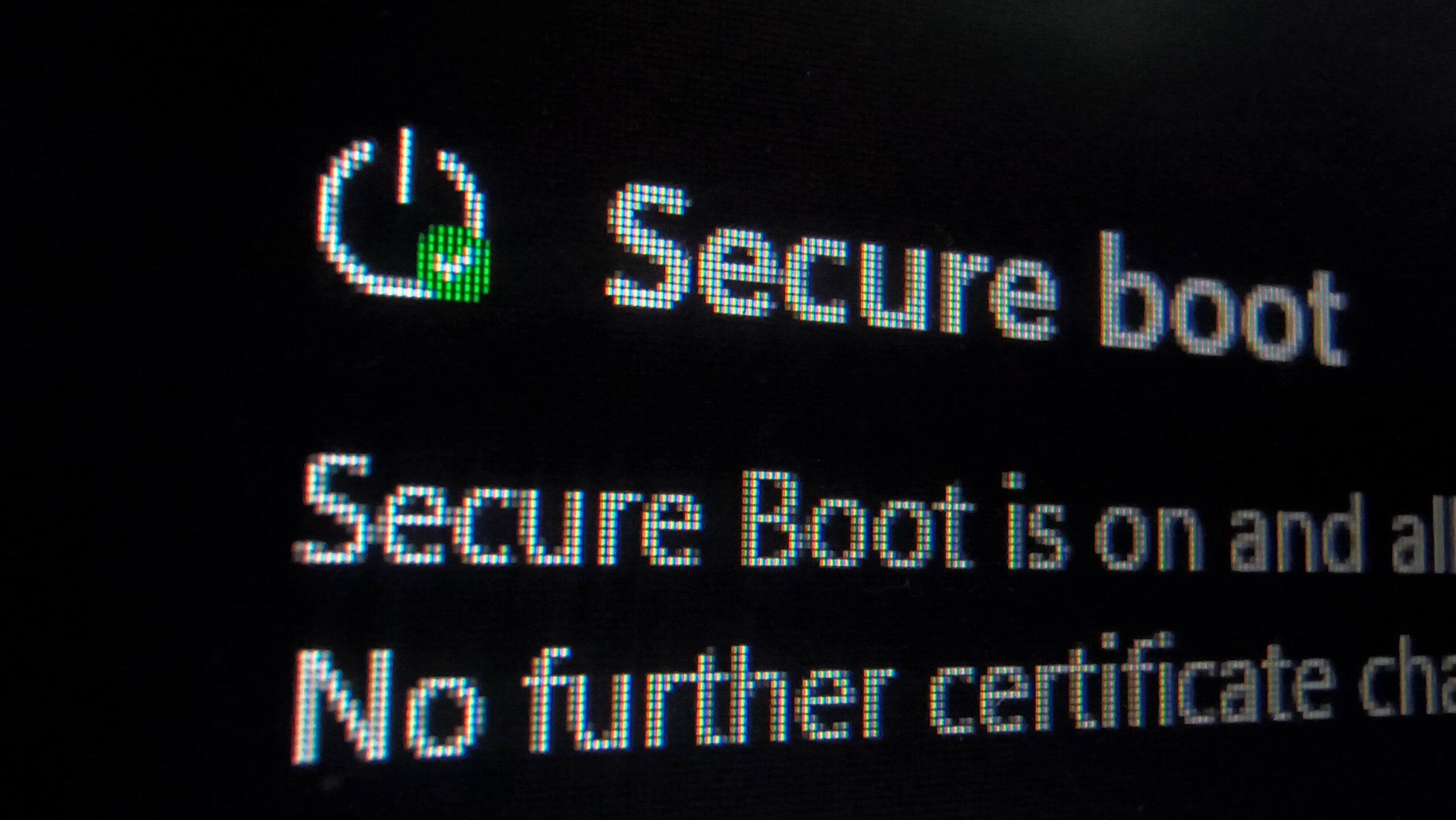
When Microsoft issued the 2024 Secure Boot certificate expiration notice, most users assumed the change would be automatic. In reality, only a handful of OEMs published step‑by‑step guides, and many PCs still need manual intervention. If your machine is running Windows 11, you’re in the cross‑hairs.
Why Secure Boot Matters
Secure Boot is the gatekeeper that ensures only trusted firmware and operating systems load during boot. Once the 2023 certificate chain expires, any PC that hasn’t been updated will refuse to start, leaving you staring at a black screen or a cryptic error message.
OEM Support Landscape
Below is a quick reference for the leading manufacturers that have released a fix.
- HP – Updated BIOS for Pavilion, Spectre, and ENVY lines. HP Support
- Dell – Fixes for XPS, Inspiron, Latitude, and Alienware. Dell Support
- Lenovo – BIOS update for ThinkPad, Yoga, and Legion series. Lenovo Support
- Asus – OTA update for ROG, TUF, and Zenbook. Asus Support
- Acer – Firmware for Predator, Nitro, and Swift. Acer Support
- MSI – BIOS patch for MPG, GE, and MEG series. MSI Support
- Samsung – Update for Galaxy Book and Series 9. Samsung Support
- LG – Firmware for Gram and UltraGear. LG Support
- Microsoft Surface – Unified update for Surface Pro, Laptop, and Book. Surface Support
Step‑by‑Step Fix
All OEMs follow a similar procedure, but the exact navigation can differ. Here’s the core process:
- Boot into BIOS/UEFI (usually by pressing F2 or Del during startup).
- Locate the Secure Boot or Authentication settings.
- Choose “Auto” or “Enabled” and then select the “Certificate” option.
- Upload the new .bin or .crt file provided by your OEM.
- Save changes, exit, and let the system reboot.
📖 Continue Reading the Full Story
Get the latest in-depth coverage & exclusive updates
Read Full ArticleAdvertisement


💬 Comments
Comments
Post a Comment