

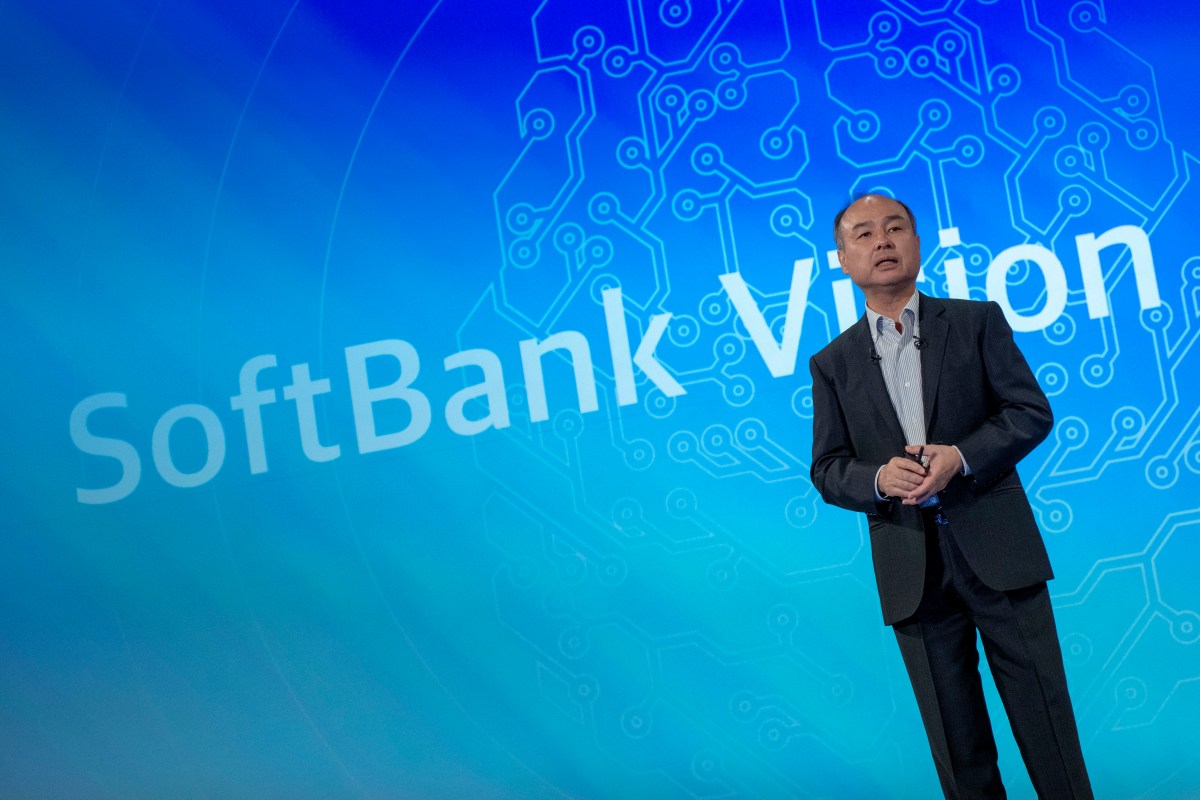
When SoftBank’s CEO Masayoshi Son publicly voiced doubts about Elon Musk’s orbital data center vision, the tech world paused. Musk’s promise of a space‑based data hub, powered by SpaceX’s Starlink satellites, has been hailed as the next frontier for ultra‑fast, low‑latency Internet. Yet, Son’s skepticism raises critical questions about feasibility, cost, and market timing.
Why SoftBank’s Concerns Matter
SoftBank, the Japanese conglomerate that has invested billions in AI, robotics, and telecom, stands as one of the most influential tech investors. Son’s doubts are not a footnote; they signal potential red flags for the entire industry. If a major investor is wary, it could influence funding flows for satellite‑based infrastructure projects.
The Orbital Data Center Vision
Musk’s blueprint envisions a sprawling constellation of low‑Earth orbit (LEO) satellites forming a data mesh that can serve cloud providers, telecom operators, and IoT networks. The goal: sub‑10‑millisecond latency for global broadband, a leap from current terrestrial limits.
Key Claims and Their Implications
- Latency Reduction – Aiming for < 10 ms response times between any two points on Earth.
- Massive Bandwidth – Aggregating terabits of throughput across the entire constellation.
- Resilience – Redundant links that can reroute traffic instantly in case of satellite failure.
SoftBank’s Core Questions
Son’s concerns revolve around three pillars: cost, scalability, and regulatory hurdles. Here’s what he’s weighing:
- Capital Expenditure – Building and launching thousands of satellites is a multi‑billion‑dollar endeavor. SoftBank questions whether the ROI timeline aligns with shareholder expectations.
- Operational Complexity – Managing a dynamic fleet in space requires unprecedented coordination. The risk of technical glitches could erode service reliability.
- Spectrum and Licensing – Securing global spectrum rights is fraught with geopolitical sensitivities. The regulatory labyrinth could delay deployment.
Industry Reactions
Tech analysts are split. Some echo SoftBank’s caution, citing precedent failures in large‑scale infrastructure projects. Others champion Musk’s ambition, arguing that the long‑term payoff could redefine global connectivity.
Investor Sentiment
- SoftBank’s share price dipped < 2% following the comment, reflecting market unease.
- SpaceX’s stock, however, rose < 3% after Musk reiterated commitment to satellite infrastructure.
- Major cloud players like Amazon Web Services and Microsoft Azure have quietly increased investments in satellite broadband, suggesting a strategic bet on the technology.
What’s Next for Musk’s Orbital Ambition?
Despite the skepticism, Musk remains on course to launch the next batch of satellites later this year. He has pledged to open the platform to third‑party data centers, potentially easing investor concerns by sharing costs and risks.
SoftBank’s stance underscores a broader narrative: even the most visionary tech leaders must navigate practical realities. As the debate heats up, the global tech community watches closely, knowing that the outcome could reshape data infrastructure for decades.
Stay ahead of the curve—subscribe to our newsletter for real‑time updates on orbital data centers, AI breakthroughs, and more.


💬 Comments
Comments
Post a Comment