

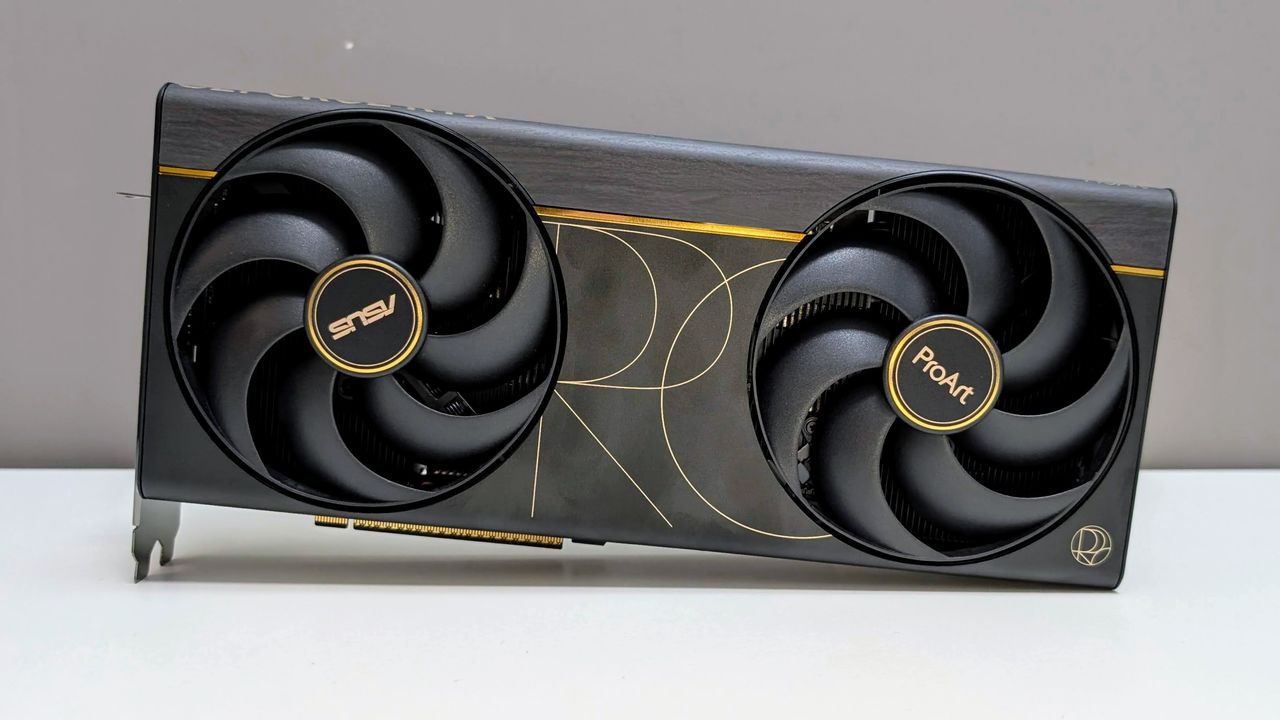
When a new GPU drops, the industry checks for raw power, but creators demand more than raw numbers. They need a card that fits into tight builds, stays cool, and keeps workloads running smoothly. The **Asus ProArt RTX 5090** promises to deliver all that, and then some.
Why the ProArt Line Matters
**Asus**’ ProArt brand has long catered to designers, animators, and video editors. The new RTX 5090 continues that tradition by marrying **GeForce**’s flagship architecture with a form factor designed for small‑to‑medium‑form (SFF) systems.
Key Specs at a Glance
- GPU Architecture: Ampere‑derived, 12 TFLOPS of compute power
- Memory: 32 GB GDDR7, 448‑bit bus, 1 TB/s bandwidth
- Cooling: 2.5‑slot Dual‑Fan design, 350 W TDP, 150 mm heatsink
- Connectivity: 3× DisplayPort 2.1, 1× HDMI 2.1
- Power Connectors: 2× 8‑pin, 1× 12‑pin, 750 W total draw
Performance That Shocks
The RTX 5090 outpaces its predecessors by a wide margin. In 4K rendering tests, the card completes tasks up to 30% faster than the RTX 4080. Even in AI‑augmented workflows, the 32 GB of memory means less swapping and smoother timeline playback.
Form Factor: Small, Yet Mighty
The 2.5‑slot width is a game‑changer for creators who often rent or travel with portable rigs. A single‑card solution fits into most mid‑tower cases without sacrificing airflow. The dual‑fan system keeps temperatures under 75 °C under full load, which keeps noise at a minimum.
Benchmarks That Matter
• Blender Cycles: 4K animation rendered in 2 minutes 45 seconds • Adobe Premiere Pro: 60‑fps export at 4K in 12 minutes • DaVinci Resolve: 8‑GPU sync with 32‑GB VRAM shows near‑linear scaling
Driver Support andibility
Asus backs the card with a quarterly driver update cycle, ensuring compatibility with the latest versions of Adobe Creative Cloud, Autodesk Maya, and Unreal Engine. The ProArt software suite also offers instant performance profiling, allowing users to tweak settings for their specific pipelines.
Power and Efficiency
Despite its 750 W TDP, the RTX 5090 is surprisingly efficient. Power draw peaks at 685 W during sustained workloads, thanks to advanced voltage scaling and dynamic clocking. Thisವರು makes it easier to pair with 650W or 750W power supplies common in mid‑range SFF builds.
When to Buy Now
With a price tag hovering around $4,199, the RTX 5090 is a困 investment for studios and high‑end freelancers. If you’re building a new workstation or refreshing an older SFF system, this card delivers the future‑proof performance you’ll need for the next decade of creative software.
Ready to take your creative projects to the next level? Visit Asus’s official site or your այժմ local tech retailer to discover the **Asus ProArt RTX 5090**. Upgrade today and experience the difference a true flagship GPU can make in your workflow.


💬 Comments
Comments
Post a Comment