

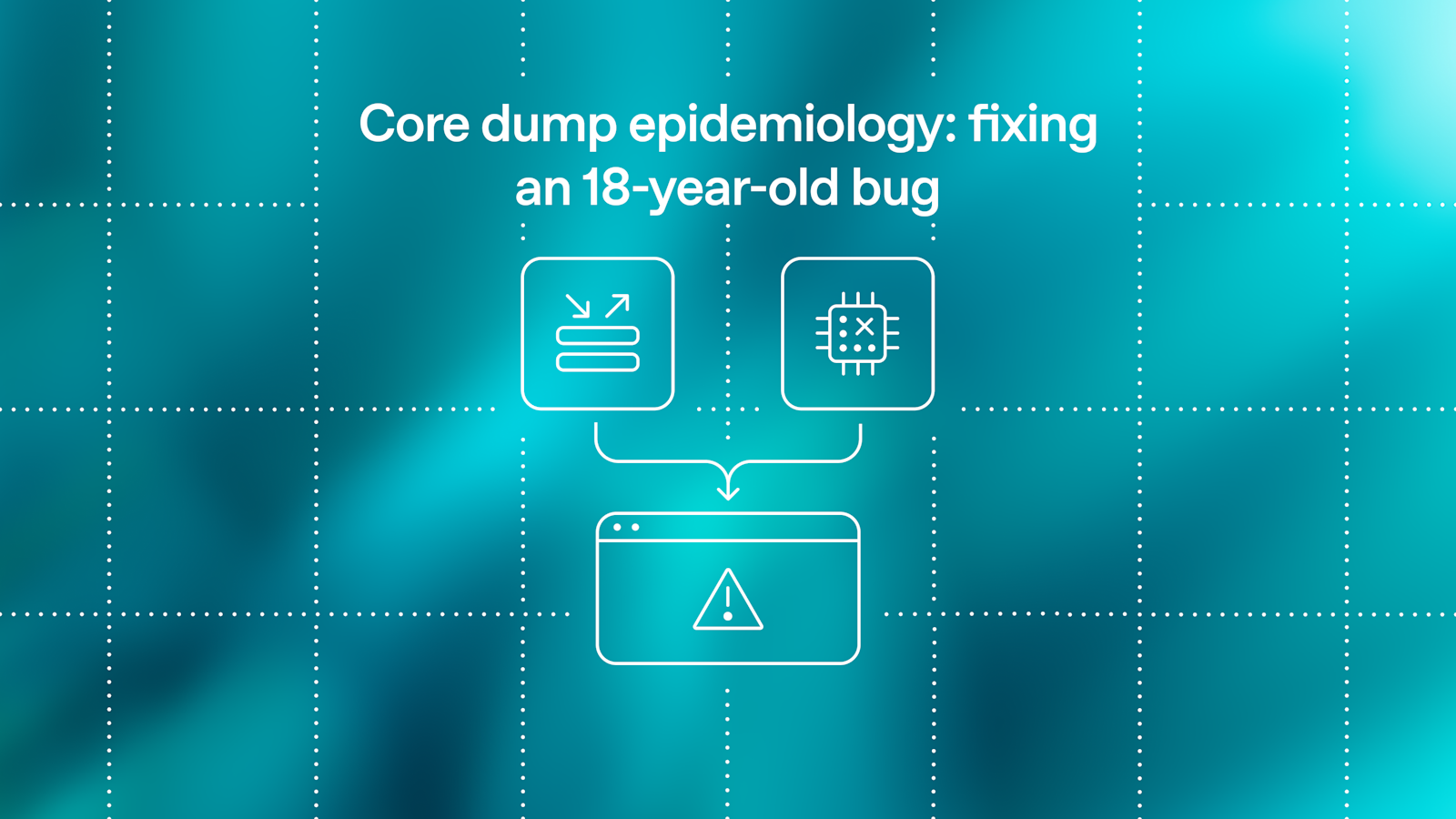
OpenAI’s latest breakthrough shows how a relentless data‑driven approach can finally solve a decades‑old mystery that has plagued the company’s cloud infrastructure. After 18 years of sporadic crashes, the team turned to an unprecedented core‑dump epidemiology analysis to pinpoint the root cause.
What Went Wrong?
The problem surfaced as unexpected, low‑frequency crashes across the OpenAI platform. Operators noticed a pattern: the same stack trace would appear after a handful of days, but the exact timing was unpredictable. Traditional debugging tools were blind to the subtle hardware‑software interaction at play.
How the Team Tackled It
OpenAI’s engineers deployed a systematic, large‑scale core‑dump collection strategy, capturing billions of memory snapshots from millions of servers in real time. By applying machine‑learning clustering on the dump data, they isolated a rare but repeatable fault pattern.
- Massive data ingestion: 3.2 PB of core dumps streamed over 48 hours.
- AI‑powered anomaly detection: Custom models sifted through noise to flag consistent memory corruption.
- Cross‑layer analysis: Combined hardware telemetry with software stack traces to reveal the hidden defect.
Key Findings
The investigation uncovered two intertwined issues:
- Hardware fault: A specific memory controller in the server’s CPU, previously thought stable, was mis‑reporting parity errors under high load.
- Legacy software bug: An outdated driver routine failed to reset the controller’s error registers, causing silent corruption that surfaced after hours of operation.
What This Means for the Industry
OpenAI’s approach demonstrates that solving long‑standing infrastructure bugs requires a blend of data science and traditional engineering. The methodology offers a blueprint for other cloud operators facing elusive crash patterns.
- **Data‑driven visibility**: Continuous core‑dump streams can expose subtle failure modes that logs miss.
- **AI‑enhanced diagnostics**: Machine‑learning clustering turns raw memory dumps into actionable insights.
- **Cross‑disciplinary collaboration**: Hardware teams must work closely with software developers to address intertwined faults.
Next Steps for OpenAI
OpenAI has rolled out firmware updates to correct the memory controller error and patched the driver to reset error registers. The company is also integrating automated core‑dump monitoring into its DevOps pipeline, ensuring that any future anomalies trigger an immediate, in‑depth analysis.
If you’re a cloud engineer, a data scientist, or simply fascinated by how AI can diagnose itself, keep an eye on OpenAI’s next steps. This case is a vivid reminder that even the most advanced systems can hide secrets until the right data lens is applied. Stay tuned for more insights into the future of resilient AI infrastructure.


💬 Comments
Comments
Post a Comment