

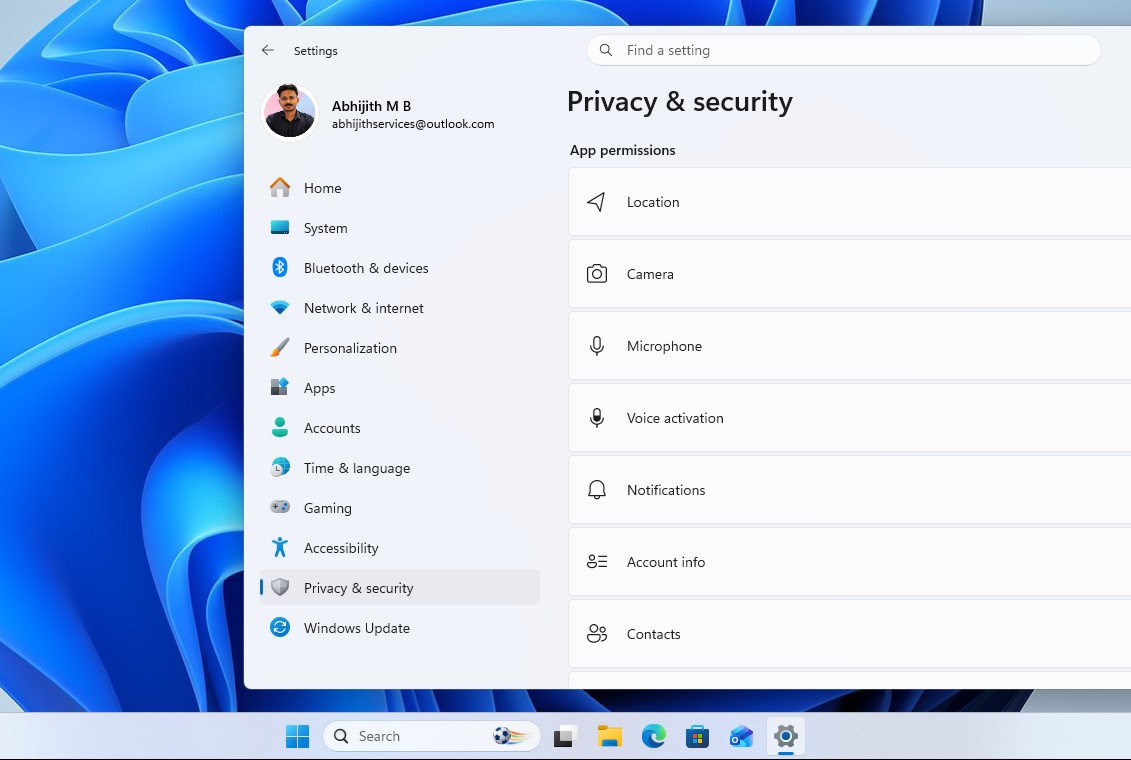
Microsoft’s new **GDID** (Global Device ID) tracking system has finally come under the spotlight after the FBI’s public complaint revealed how it can follow a hacker across VPNs and borders. The revelation shows that the **GDID** works by attaching a unique, immutable identifier to each Windows device, a fingerprint that most of the 1.6 billion users never knew existed.
How the FBI Tracked a Hacker with Windows 11
In a recent case, the FBI traced a cyber‑attacker, known as “Scattered Spider,” through three different countries. The key was the **GDID**: a code that persisted even when the user switched VPNs or tried to mask their location. By correlating the **GDID** with other logs, investigators could map the attacker’s movements.
Why the Tracker Can’t Be Fully Disabled
Unlike other telemetry settings, the **GDID** is baked into the operating system. When you turn off “diagnostics” or “telemetry” in Windows Settings, the **GDID** remains activeNecesarily, the link is hard点击. This means that even the most privacy‑conscious users will still share a unique identifier with Microsoft.
What You Can Do to Reduce Your Exposure
While you can’t delete the **GDID**, there are settings that limit what data Microsoft receives:
- Privacy Settings → Diagnostics & Feedback → Basic – reduces the volume of data sent.
- Location Services → Turn off “Let apps use my location” – stops location tracking.
- Account Settings → Sync Settings → Disable “Sync across devices” – stops cross‑device data transfer.
- Event Viewer → Disable “Enable Windows Error Reporting” – limits crash data.
These tweaks won’t eliminate the **GDID**, but they cut down on other personal data that could be piggybacked on the identifier.
What This Means for Businesses Institutes
Large enterprises that rely on Windows 11 for their workforce now face a new compliance challenge. The **GDID** makes it easier for law enforcement to track devices, but it also raises questions about employee privacy and data sovereignty. Companies may need to revisit their privacy policies and consider additional encryption or virtual desktop solutions.
Future Outlook: Will Microsoft Offer a Switch‑Off?
Microsoft has not announced any plans to add an off switch for the **GDID**. Analysts predict that the company will keep the system in place to comply with legal requests and improve security. The key debate will center on balancing law‑enforcement needs with individual privacy rights.
Take Action Now
Check your Windows 11 privacy settings today. Even a few small changes can give you more control over your data footprint. Stay informed, stay secure, and keep your digital life under your command.


💬 Comments
Comments
Post a Comment